Healthcare, Pharma & Life Sciences Fact-Checked UK 2026 Playbook Search Intent & AI Search (GEO) Ready
Clinical Research Leads: Top 20 UK Strategies, Benchmarks & Staged Growth System
Executive Summary & Direct Answer (2026 UK Benchmark)
Generating high-converting clinical research leads in the UK in 2026 requires a staged, foundation-first approach. Rather than competing in price wars on shared directories or sending £6.40/click paid traffic to a slow brochure site, top-performing clinical research firms start with a sub-second static HTML website built for exact UK search intent (Specialist Clinical Research Advisory) and AI Search (GEO), demonstrate compliance with CQC (Care Quality Commission), and layer on targeted SEO clusters, Google Search PPC, and 24/7 AI lead screening as their pipeline scales.
Generating high-converting clinical research leads in the UK in 2026 requires a staged, foundation-first approach. Rather than competing in price wars on shared directories or sending £6.40/click paid traffic to a slow brochure site, top-performing clinical research firms start with a sub-second static HTML website built for exact UK search intent (Specialist Clinical Research Advisory) and AI Search (GEO), demonstrate compliance with CQC (Care Quality Commission), and layer on targeted SEO clusters, Google Search PPC, and 24/7 AI lead screening as their pipeline scales.
Top 20 Specific Tips for Generating Clinical Research Leads in the UK (2026)
Ordered by commercial ROI: we start with Website & Search Intent Foundations (Tips 1–5) and AI Search / GEO Visibility (Tips 6–10) before layering on Sector Outbound (Tips 11–15) and Paid & AI Conversion Systems (Tips 16–20). Tips 1–5 are expanded below by default—use the filter tabs or click any tip to view its full implementation checklist.
1Website & Search Intent Foundations
Foundation #1
Build Dedicated Search-Intent Service Pages for High-Margin Clinical Research Niches
In 2026, UK buyers searching for Clinical Research solutions rarely convert on a generic 'Services' page. Whether your target buyer is among Clinical Operations Directors, NHS Procurement Leads, Private Clinic Directors, Lab Managers, R&D Directors, and VP Regulatory Affairs, they search with commercial specificity—matching high-margin niches such as Specialist Clinical Research Advisory, Retainer Packages, and Enterprise Contracts and compliance standards (CQC (Care Quality Commission), MHRA, NHS DSPT (Data Security and Protection Toolkit), ISO 15189 / GLP / GCP, and ABPI Code).
Before spending budget on ads or directories like uk.linkedin.com, structure your website with dedicated static HTML landing pages for each high-margin sub-service so every visitor lands on a page built for their exact search intent.
Implementation Playbook:
Create separate URLs for high-margin sub-services (Specialist Clinical Research Advisory, Retainer Packages, and Enterprise Contracts)
Target commercial UK search queries such as 'Clinical research union' and 'Society of clinical research'
State who you serve (Clinical Operations Directors, NHS Procurement Leads, Private Clinic Directors, Lab Managers, R&D Directors, and VP Regulatory Affairs) and typical project scope (£20,000 – £250,000+ clinical/service contract) in the first 80 words
Display UK regulatory credentials and trust signals (CQC (Care Quality Commission), MHRA, NHS DSPT (Data Security and Protection Toolkit), ISO 15189 / GLP / GCP, and ABPI Code) above the fold
UK Benchmark: Dedicated search-intent service pages convert UK B2B visitors at 4.8% vs. 1.3% on generic brochure websites.
2Website & Search Intent Foundations
Positioning
Target Pharmaceutical Sponsors by Therapeutic Specialisation
Generic CRO positioning dilutes your value proposition in a crowded market. Pharmaceutical and biotech sponsors increasingly seek CROs with deep therapeutic area expertise—oncology, CNS, cardiovascular, rare diseases—rather than generalists claiming competence across all domains.
Define your therapeutic niche based on your team's clinical expertise, regulatory track record, and patient recruitment capabilities. Build prospect lists segmented by companies developing therapies in your specialised areas, then craft positioning that speaks directly to the unique challenges of those therapeutic programmes.
Implementation Playbook:
Identify 3-5 core therapeutic areas where your CRO demonstrates proven trial success and regulatory approval rates
Use Apollo.io to build targeted prospect lists of pharmaceutical companies with active pipelines in your therapeutic specialisations
Create therapeutic area-specific case studies showcasing patient recruitment rates, protocol compliance, and time-to-database-lock metrics
Develop white papers addressing therapeutic-specific challenges like patient stratification in oncology trials or endpoint measurement in CNS studies
Attend therapeutic area-specific conferences (ASCO, AAN, ESC) rather than generic CRO industry events to meet qualified sponsors
UK Benchmark: Expert Insight: CROs with therapeutic specialisation command 18-25% higher margins than generalist competitors, according to industry benchmarking data, because sponsors value deep expertise over cost arbitrage.
3Website & Search Intent Foundations
High ROI
Replace Generic 'Contact Us' Forms with an Interactive Clinical Research Scope & ROI Calculator
Decision-makers researching Clinical Research providers are hesitant to submit a blank contact form that just says 'We will call you back.' They want immediate commercial clarity—pricing brackets across Specialist Clinical Research Advisory, timescales, or compliance readiness.
Adding a 4-step interactive quote estimator or diagnostic scorecard on your core pages captures 3x more enquiries while automatically qualifying budget and timeline before your sales team picks up the phone.
Deliver an instant benchmark estimate or readiness score on-screen and via automated email
Route high-value enquiries straight to a live calendar booking page (/book-a-call)
Tag lower-tier enquiries into an automated educational email sequence
UK Benchmark: Interactive scope estimators increase B2B landing page enquiry rates by 140%–210% across UK service sectors.
4Website & Search Intent Foundations
Quick Win
Engineer Sub-Second Mobile Speed (100/100 Lighthouse) to Stop Leaking £6.40 Clicks
With UK Google Ads CPCs in the Clinical Research sector averaging £6.40 per click, every second of page load delay destroys your return on ad spend. Legacy CMS themes loaded with 30+ plugins routinely take 3.5 to 5 seconds to render on mobile.
Rebuilding on clean, pre-rendered Static HTML deployed on a global edge CDN ensures instant Largest Contentful Paint (LCP under 0.6s)—improving both Google Quality Scores and conversion rates.
Implementation Playbook:
Audit your core landing pages against Google Core Web Vitals (LCP, INP, CLS)
Serve all hero and case-study imagery in next-gen WebP format with explicit dimensions
Remove render-blocking third-party scripts and heavy visual page builders
Test mobile thumb-zone CTA visibility across iOS and Android viewports
UK Benchmark: Every 1-second improvement in mobile load speed increases B2B conversion rates by up to 27%.
5Website & Search Intent Foundations
Conversion
Structure Your Clinical Research Pages for ChatGPT, Perplexity & Google AI Overviews (GEO)
Over 38% of UK B2B buyers now ask ChatGPT, Perplexity, Claude, or Google AI Overviews to shortlist Clinical Research providers (especially for Specialist Clinical Research Advisory, Retainer Packages, and Enterprise Contracts) before clicking a traditional search result. LLMs extract structured facts, entity relationships, and verifiable citations.
To get your business recommended by AI search engines, your site needs semantic HTML5 hierarchy, Direct Answer summary blocks under every H2 heading, and an /llms.txt index file at your domain root.
Implementation Playbook:
Place a 60–80 word factual 'Direct Answer' block at the top of each Clinical Research guide and service page
Publish a clean /llms.txt file summarising your core services, UK coverage, pricing tiers, and credentials
Include hard numbers, regulatory citations (CQC (Care Quality Commission)), and named UK case studies that LLMs can verify
Ensure AI crawlers (GPTBot, PerplexityBot, ClaudeBot, Google-Extended) are allowed in robots.txt
UK Benchmark: B2B websites engineered with GEO schema and /llms.txt see 3.4x higher citation frequency in AI search responses.
6AI Search (GEO) & Local Authority
AI Search / GEO
Structure Your Clinical Research Pages for ChatGPT, Perplexity & Google AI Overviews (GEO)
Over 38% of UK B2B buyers now ask ChatGPT, Perplexity, Claude, or Google AI Overviews to shortlist Clinical Research providers (especially for Specialist Clinical Research Advisory, Retainer Packages, and Enterprise Contracts) before clicking a traditional search result. LLMs extract structured facts, entity relationships, and verifiable citations.
To get your business recommended by AI search engines, your site needs semantic HTML5 hierarchy, Direct Answer summary blocks under every H2 heading, and an /llms.txt index file at your domain root.
Implementation Playbook:
Place a 60–80 word factual 'Direct Answer' block at the top of each Clinical Research guide and service page
Publish a clean /llms.txt file summarising your core services, UK coverage, pricing tiers, and credentials
Include hard numbers, regulatory citations (CQC (Care Quality Commission)), and named UK case studies that LLMs can verify
Ensure AI crawlers (GPTBot, PerplexityBot, ClaudeBot, Google-Extended) are allowed in robots.txt
UK Benchmark: B2B websites engineered with GEO schema and /llms.txt see 3.4x higher citation frequency in AI search responses.
7AI Search (GEO) & Local Authority
AI Search / GEO
Deploy Connected JSON-LD Entity Graphs (Organization, Service & FAQPage Schema)
Search engines and AI models rely on Schema.org structured data to verify who you are, what accreditations you hold (CQC (Care Quality Commission), MHRA, NHS DSPT (Data Security and Protection Toolkit), ISO 15189 / GLP / GCP, and ABPI Code), and what commercial terms you offer. Disconnected or missing schema leaves Google guessing.
Implement a unified @graph JSON-LD block on your Clinical Research pages linking your Organization, Service, BreadcrumbList, and FAQPage entities with @id references and verifiable sameAs links.
Implementation Playbook:
Declare explicit areaServed ('United Kingdom' + key regional hubs) and audience types in Service schema
Mark up real 'People Also Ask' questions in FAQPage schema to win expanded SERP real estate
Link your Companies House registration and regulatory memberships via sameAs properties
Validate zero warnings in Google Rich Results Test and Schema Markup Validator
UK Benchmark: Connected JSON-LD entity graphs improve rich-snippet eligibility and semantic keyword rankings by 24%.
8AI Search (GEO) & Local Authority
Authority
Publish Regulatory Intelligence & Trial Design Thought Leadership
Pharmaceutical sponsors evaluate CRO partners based on regulatory expertise and strategic trial design capabilities, not just operational execution. Demonstrating mastery of MHRA requirements, EMA guidelines, adaptive trial designs, and regulatory submission strategies positions your organisation as a strategic partner rather than a tactical vendor.
Develop a consistent content programme addressing regulatory updates, protocol optimisation strategies, and trial design innovations relevant to your target sponsors. This content attracts pharmaceutical decision-makers researching optimal trial strategies whilst establishing your credibility as regulatory and clinical development experts.
Implementation Playbook:
Publish monthly regulatory updates interpreting new MHRA guidance, EMA opinions, or ICH guideline revisions with practical implications for trial design
Create comparison guides for UK vs EU vs US regulatory pathways, helping biotech sponsors navigate multi-regional trial strategies
Use Brevo to distribute regulatory intelligence newsletters to pharmaceutical decision-makers, segmented by therapeutic area
Host quarterly webinars on topics like adaptive trial designs, decentralised trial methodologies, or patient-centric endpoint selection
Contribute expert commentary to clinical research publications like Applied Clinical Trials or CenterWatch to expand your thought leadership reach
9AI Search (GEO) & Local Authority
Local SEO
Showcase Patient Recruitment Excellence & Site Network Capabilities
Patient recruitment challenges represent the primary concern for pharmaceutical sponsors when selecting CRO partners. With UK patient recruitment falling to the lowest levels since 2017/18, sponsors desperately need CROs demonstrating superior recruitment capabilities, established site relationships, and proven patient identification strategies.
Differentiate your CRO by quantifying recruitment performance metrics, showcasing your UK site network capabilities, highlighting patient identification methodologies, and providing case studies demonstrating faster enrolment timelines than industry benchmarks. These tangible proof points directly address sponsors' most pressing pain point.
Implementation Playbook:
Publish recruitment rate benchmarks by therapeutic area: average patients per site per month, time to first patient enrolled, and screen failure rates
Create interactive site network maps showing your established investigator relationships across UK NHS Trusts, private hospitals, and specialist centres
Develop case studies with specific recruitment metrics: "Enrolled 347 oncology patients across 28 UK sites in 14 months vs 18-month industry average"
Demonstrate patient identification strategies: electronic health record screening partnerships, patient registries, specialist clinic relationships, and patient advocacy group collaborations
Use Dealfront/Leadfeeder to identify pharmaceutical companies researching patient recruitment solutions on your website (high buying intent signal)
10AI Search (GEO) & Local Authority
Foundation
Publish Quantified UK Case Studies Showing Before/After Metrics for Clinical Operations Directors
When prospective buyers evaluate Clinical Research providers across Specialist Clinical Research Advisory, Retainer Packages, and Enterprise Contracts, vague claims of 'high quality service' are ignored. Both human buyers and AI search algorithms look for documented proof: baseline problem, technical intervention, compliance adherence, and measurable outcome.
Structure every case study around a clear financial or operational metric relevant to £20,000 – £250,000+ clinical/service contract engagements, and embed summary proof cards directly onto your main service pages.
Implementation Playbook:
Follow a strict 4-part structure: Client Sector & Challenge, Compliance/Technical Scope, Delivery Timeline, Quantified ROI
Include named client quotes or verified anonymised sector descriptors (e.g., '£14m Midlands Enterprise')
Highlight how you navigated sector standards (CQC (Care Quality Commission), MHRA, NHS DSPT (Data Security and Protection Toolkit), ISO 15189 / GLP / GCP, and ABPI Code) without operational disruption
Cross-link each case study to the exact service page it validates
UK Benchmark: Pages with embedded quantified case study cards convert 64% more high-ticket enquiries than pages with generic testimonials.
11Sector Authority, Partnerships & Outbound
High ROI
Use Companies House & UK Trigger Events to Time Your Clinical Research Outreach
Cold outreach fails when it arrives at a random time with a generic pitch. In the UK Clinical Research market, buying windows open immediately after specific corporate trigger events: newly appointed directors, funding rounds, office expansions, regulatory deadlines, or group restructures.
Monitoring Companies House filings, trade press, and LinkedIn job changes lets your team contact Clinical Operations Directors, NHS Procurement Leads, Private Clinic Directors, Lab Managers, R&D Directors, and VP Regulatory Affairs within 48 hours of a trigger event—when they are actively reviewing suppliers.
Implementation Playbook:
Track new director appointments (especially CFO, COO, Operations, or Compliance heads) via Companies House APIs
Monitor sector expansion signals such as new job postings, commercial property leases, or grant awards
Reference the exact trigger and relevant UK standard (CQC (Care Quality Commission), MHRA, NHS DSPT (Data Security and Protection Toolkit), ISO 15189 / GLP / GCP, and ABPI Code) in your first two sentences
Direct outreach prospects to a bespoke static landing page built for their specific sector
UK Benchmark: Trigger-based UK B2B outreach achieves 18%–26% positive reply rates compared to under 2% for untargeted cold blasts.
12Sector Authority, Partnerships & Outbound
LinkedIn B2B
Offer Complimentary Trial Feasibility Assessments
Pharmaceutical sponsors face uncertainty when planning new clinical trials—patient availability, site capability, recruitment timelines, and regulatory pathway selection all present risks that can derail programmes and waste millions. Offering complimentary feasibility assessments provides immediate value whilst demonstrating your organisation's analytical capabilities and strategic thinking.
Structure feasibility assessments as consultative engagements where you analyse the sponsor's protocol, evaluate patient population availability across UK sites, assess competitive trial landscapes, and provide recruitment timeline projections. This positions your CRO as a strategic advisor from the earliest planning stages.
Implementation Playbook:
Create standardised feasibility assessment templates covering patient epidemiology, site capacity analysis, recruitment forecasting, and regulatory pathway recommendations
Promote feasibility assessments through LinkedIn outreach targeting Clinical Development Directors at biotech companies in Series B-C funding stages (actively planning trials)
Use Lusha to obtain direct contact details for Medical Affairs and Clinical Operations leaders at target pharmaceutical sponsors
Deliver feasibility findings in professional presentations that showcase your team's expertise, data access, and analytical rigour
Convert 30-40% of feasibility assessments into paid trial proposals by demonstrating unique insights sponsors cannot obtain elsewhere
13Sector Authority, Partnerships & Outbound
Partnerships
Leverage LinkedIn for Pharmaceutical Relationship-Building
Pharmaceutical and biotech decision-makers are highly active on LinkedIn, researching CRO capabilities, following regulatory developments, and networking with clinical development peers. Strategic LinkedIn engagement builds relationships with sponsors long before they issue RFPs, positioning your organisation as a trusted advisor rather than a transactional vendor competing solely on price.
Focus on providing value through insightful commentary on industry trends, sharing regulatory intelligence, congratulating sponsors on trial milestones or regulatory approvals, and participating in clinical development discussions. This consistent, helpful presence keeps your CRO top-of-mind when sponsors initiate new trial planning.
Implementation Playbook:
Optimise leadership profiles with therapeutic specialisations, regulatory expertise, and trial success metrics rather than generic CRO descriptions
Share 3-4 pieces of valuable content weekly: regulatory updates, trial design insights, patient recruitment innovations, or industry trend analyses
Engage with pharmaceutical decision-makers' posts by adding substantive comments that demonstrate clinical development expertise
Connect strategically with Clinical Development Directors, Medical Affairs leaders, and Head of Clinical Operations at target pharmaceutical sponsors
Use LinkedIn Sales Navigator to identify sponsors actively hiring for clinical operations roles (signal of expanding trial activity and CRO needs)
14Sector Authority, Partnerships & Outbound
Trust & Video
Implement Account-Based Marketing for Top Pharmaceutical Accounts
Enterprise pharmaceutical sponsors and top-tier biotech companies represent high-value accounts worth millions in potential trial partnerships. Generic outreach fails with these sophisticated buyers who receive dozens of CRO pitches monthly. Account-Based Marketing (ABM) focuses resources on personalised, multi-stakeholder campaigns targeting your highest-value prospects.
ABM for clinical research requires coordinated outreach across multiple decision-makers—Clinical Development Directors, Medical Affairs, Regulatory Affairs, and Procurement—with messaging customised to each stakeholder's priorities. Track engagement across the buying committee and adjust outreach based on individual responses and demonstrated interests.
Implementation Playbook:
Identify 10-15 "dream accounts"—pharmaceutical sponsors with active pipelines in your therapeutic specialisations and trial budgets exceeding £5M annually
Map the buying committee at each target account: Clinical Development VP, Medical Director, Head of Clinical Operations, Regulatory Affairs, Procurement
Use Apollo.io to track organisational changes, new hires, and pipeline updates at target pharmaceutical accounts
Develop account-specific content assets: therapeutic area reports, competitive landscape analyses, or regulatory pathway recommendations tailored to each sponsor's pipeline
Coordinate multi-channel outreach via LinkedIn, email, and conference networking with consistent messaging across all buying committee members
UK Benchmark: UK clinical trial patient recruitment fell to just 19,092 participants in 2026—the lowest since 2017/18. Sponsors urgently need CRO partners demonstrating superior patient recruitment capabilities.
15Sector Authority, Partnerships & Outbound
Account-Based
Build Strategic Relationships with Biotech Investors & Accelerators
Early-stage biotech companies funded through Series A-C rounds represent valuable future CRO clients as they transition from preclinical to clinical development. Rather than waiting for these biotechs to issue RFPs, build relationships early through biotech investors, accelerators, and incubators who refer CRO partners to their portfolio companies.
Partner with UK life sciences investors and accelerators by providing educational content on trial planning, offering portfolio company workshops on regulatory strategy, or sponsoring biotech networking events. These relationships generate warm referrals from trusted advisors when portfolio companies initiate clinical programmes.
Implementation Playbook:
Identify active UK life sciences investors: Syncona, Woodford Patient Capital Trust, IP Group, Medicxi, and Abingworth who fund clinical-stage biotechs
Reach out to biotech accelerators: MedCity, BioCity, Cambridge Science Park, Stevenage Bioscience Catalyst offering CRO expertise to their residents
Create "Clinical Development Readiness" workshops for pre-clinical biotechs covering IND/CTA preparation, trial design fundamentals, and CRO selection criteria
Sponsor biotech networking events like BioTrinity, UK BioIndustry Association conferences, or London Biotechnology Network gatherings
Use Apollo.io to track funding announcements and immediately reach out to newly-funded biotechs planning first-in-human trials
16Paid Acquisition & AI Conversion Systems
Scale
Only Scale Google Search PPC Once Your Clinical Research Website Converts at 3.5%+
Running Google Ads before fixing your website's search intent and load speed is the fastest way to burn budget in Clinical Research. With UK clicks costing around £6.40, sending paid traffic to a slow homepage results in £250+ cost-per-lead.
Follow the Staged Growth rule: validate your static landing page conversion rate organically first, then launch tightly themed Exact and Phrase match Google Search campaigns targeting bottom-of-funnel commercial intent.
Implementation Playbook:
Bid on high-intent commercial keywords ('Clinical Research company UK', 'Clinical research union') rather than broad informational terms
Maintain an aggressive negative keyword list (blocking 'jobs', 'courses', 'free templates', 'salary', 'DIY')
Match every ad group 1:1 to a dedicated static HTML landing page for 8/10 to 10/10 Quality Scores
Track offline CRM deal closures back into Google Ads via Enhanced Conversions
UK Benchmark: Pairing high-intent PPC with dedicated static HTML landing pages reduces UK cost-per-acquisition by 41%.
17Paid Acquisition & AI Conversion Systems
AI Automation
Deploy a 24/7 AI Screening & Speed-to-Lead Agent to Qualify Enquiries Under 60 Seconds
In competitive UK sectors like Clinical Research, buyers typically enquire with 2 to 3 providers simultaneously. The firm that responds within 60 seconds wins up to 73% of the business—yet most teams take 4 to 24 hours to reply to web forms.
Once your website foundation is generating steady traffic, add an AI qualification agent via web chat, SMS, and email that answers initial technical/compliance questions (CQC (Care Quality Commission), MHRA, NHS DSPT (Data Security and Protection Toolkit), ISO 15189 / GLP / GCP, and ABPI Code) and books qualified prospects straight into your diary.
Implementation Playbook:
Trigger an instant SMS and email acknowledgement within 30 seconds of any form submission
Train your website AI assistant on your exact Clinical Research pricing brackets, coverage areas, and FAQs
Automatically screen out low-budget or out-of-area enquiries politely
Sync qualified bookings directly into your CRM (HubSpot, Pipedrive, Close) with full transcript context
UK Benchmark: Responding to B2B web enquiries within 1 minute increases qualification-to-appointment conversion by 391%.
18Paid Acquisition & AI Conversion Systems
Nurture ROI
Demonstrate Operational Excellence Through Trial Metrics & KPIs
Pharmaceutical sponsors increasingly demand accountability and transparency from CRO partners, particularly given industry-wide pressures on trial costs and timelines. CROs that proactively share operational metrics—protocol deviation rates, data query resolution times, SAE reporting timeliness, and database lock timelines—differentiate themselves as quality-focused partners rather than cost-driven vendors.
Publish anonymised trial performance benchmarks demonstrating your operational excellence relative to industry standards. These metrics provide tangible evidence of quality and efficiency that procurement and clinical operations teams use when comparing CRO proposals.
Implementation Playbook:
Track and publish key performance metrics: median days to site activation, protocol deviation rates, SAE reporting timeliness, and database lock timelines
Create comparison charts showing your CRO's performance vs industry benchmarks (using CRO Benchmarking Association data as references)
Develop Quality Management System (QMS) overview documents demonstrating GCP compliance, audit readiness, and MHRA inspection history
Use ClickUp to manage trial operations and capture real-time KPI data that demonstrates project management excellence to potential sponsors
Showcase technology platforms: CTMS systems, EDC platforms, and eTMF solutions that enable trial efficiency and regulatory compliance
UK Benchmark: Expert Insight: UK clinical trial set-up times lag international competitors, increasing sponsor costs. CROs demonstrating faster site activation and MHRA approval timelines gain competitive advantage.
19Paid Acquisition & AI Conversion Systems
Attribution
Implement AI-Powered Personalisation for Multi-Stakeholder Outreach
Clinical trial procurement involves complex buying committees with diverse priorities: Clinical Development Directors focus on scientific rigour and trial design, Medical Affairs evaluates therapeutic expertise, Regulatory Affairs assesses compliance capabilities, and Procurement negotiates commercial terms. Generic outreach fails because it doesn't address each stakeholder's specific concerns and decision criteria.
Modern AI tools enable personalised outreach at scale, allowing you to craft customised messaging for each stakeholder role whilst maintaining consistent account-level strategy. This multi-threaded approach accelerates deal cycles by simultaneously advancing relationships across the entire buying committee.
Implementation Playbook:
Segment outreach messaging by stakeholder role: emphasise regulatory expertise for Regulatory Affairs leaders, highlight recruitment capabilities for Clinical Operations, and showcase therapeutic publications for Medical Affairs
Use AISDR to automate personalised multi-stakeholder email sequences that reference each prospect's specific role, therapeutic focus, and recent company pipeline updates
Implement Lindy to create AI agents that research pharmaceutical prospect backgrounds, recent publications, and professional interests before outreach calls
Develop stakeholder-specific content assets: regulatory white papers for Regulatory Affairs, patient recruitment case studies for Clinical Operations, therapeutic reviews for Medical Affairs
Track engagement patterns using CRM data to identify which buying committee members are most engaged and adjust outreach priority accordingly
20Paid Acquisition & AI Conversion Systems
High ROI
Build a Compounding Topic Cluster Around Real UK 'People Also Ask' Queries
Single service pages capture bottom-of-funnel buyers, but capturing prospects 30–60 days earlier requires answering the specific commercial questions they research—such as cost comparisons across Specialist Clinical Research Advisory, Retainer Packages, and Enterprise Contracts, UK regulatory checklists, and ROI timelines.
Using live DataForSEO UK SERP data and our Artemis AI 13-stage research system, publish 10 interlinked authority articles around your core Clinical Research hub page so every article passes internal link equity and routes readers to your conversion engine.
Implementation Playbook:
Publish transparent UK pricing & cost breakdown guides for Clinical Research in 2026
Create compliance checklists addressing CQC (Care Quality Commission), MHRA, NHS DSPT (Data Security and Protection Toolkit), ISO 15189 / GLP / GCP, and ABPI Code for Clinical Operations Directors, NHS Procurement Leads, Private Clinic Directors, Lab Managers, R&D Directors, and VP Regulatory Affairs
Link every cluster article back to your core commercial service page with descriptive anchor text
Refresh benchmark stats quarterly to maintain top Google and AI Overview rankings
UK Benchmark: A 10-article search-intent topic cluster typically increases core service page organic traffic by 165% within 90 days.
Why Tips 1–10 Always Come First
Need a Clinical Research Website Engineered for Search Intent & AI Search?
We build ultra-fast static HTML websites from £300 (+£50/mo) via our AI Agents Club or bespoke Conversion Engines from £1,000+—then add paid systems & AI only once your foundation is converting.
Before investing in paid clicks or third-party lead brokers, review how UK clinical research acquisition channels perform across cost-per-lead, close rate, and website foundation speed.
2026 UK Clinical Research Lead Channel Benchmark: Cost Per Lead vs. Close Rate
Based on live UK search CPCs (£6.40 avg. click) and SME conversion benchmarks
Owned Static Website + AI Search (GEO) Best Long-Term ROIAvg CPL: £25 | Close Rate: 28%
High-Intent Google Search PPC (On Static LP) Fastest Scalable VolumeAvg CPL: £75 | Close Rate: 19%
Targeted UK B2B Outbound + Trigger Events Best for Enterprise ABMAvg CPL: £70 | Close Rate: 14%
Shared Lead Directories / Aggregators (Sold to 3–5 Firms) Lowest Margin / Price WarAvg CPL: £55 | Close Rate: 6%
Key Takeaway: Shared lead directories appear cheap per lead (£55), but because enquiries are sold to up to 5 competitors simultaneously, close rates average just 6%—making your effective Cost Per Signed Client 3.8x higher than an owned Search-Intent & GEO website.
Why Website Foundations Come First: Same 1,000 UK Visitors, 3.4x More Clinical Research Enquiries
Why we fix your website foundation before turning on paid traffic
Typical Slow CMS / Brochure Site (3.8s Load, Weak Intent)
1000
Visitors
380
Stay >5s
14
Enquiries
2
New Clients
HelloLeads Static HTML + GEO Engine (0.4s Load, Intent-Matched)
1000
Visitors
790
Stay >5s
48
Enquiries
11
New Clients
Same traffic, 3.4x more enquiries: Sub-second static HTML + exact search-intent copy stops 60%+ mobile bounce loss immediately.
12-Month Staged Website & Lead Growth Curve (Volume vs. Blended CPL)
Bars = Monthly Qualified Enquiries | Green Line = Blended Cost Per Lead (£)
UK Search Intent & Regulatory Profile
Live UK search demand & buyer verification signals for Clinical Research
Key 2026 UK Accreditations & Compliance Signals: CQC (Care Quality Commission), MHRA, NHS DSPT (Data Security and Protection Toolkit), ISO 15189 / GLP / GCP, and ABPI Code
High-Margin UK Sub-Niches to Target: Specialist Clinical Research Advisory, Retainer Packages, and Enterprise Contracts
High-Intent UK Related Searches (DataForSEO):
Clinical research unionSociety of clinical researchClinical Trial careerFree clinical research Coordinator certificationClinical trials Assistant career progressionAssociation of clinical research professionals (ACRP)Clinical operations career ladderList out the different key players in clinical trials
Typical UK Contract Value: £20,000 – £250,000+ clinical/service contract
The HelloLeads Staged Growth Architecture
We Build Your Website for Search Intent & AI Search First—Then Scale Paid & AI Systems as You Grow
Why pay £2,000/month in agency retainers or ad spend before your website can convert the traffic? Our staged model keeps your upfront cost low while building a permanent asset—then layers on SEO velocity, paid acquisition, and AI automation only when your current stage is proven and profitable.
Stage 1 • Foundations First
Search Intent & AI Search Website Build
We replace slow, generic brochure sites with a 100/100 Lighthouse pure Static HTML website engineered around UK clinical research search intent and AI citation architecture.
£300 one-off (+£50/mo)
Starter Static via AI Agents Club • Or £1,000+ Full Conversion Engine
Built for UK Search Intent: Dedicated pages matching exact buyer queries & CQC (Care Quality Commission) trust signals.
AI Search (GEO) Ready: Connected JSON-LD schema, Direct Answer blocks, and /llms.txt for ChatGPT & Google AI.
100/100 Lighthouse Speed: Hosted on global edge CDN with SSL, technical SEO & monthly content included in the £50/mo plan.
Zero Lock-In: You own your website and domain from day one.
Once your foundational pages are live and validating audience intent, we compound your organic & AI search footprint across every high-margin clinical research keyword cluster.
£150 for 10 AI SEO Articles
Or £1,500 – £3,500 for Full Existing-Site GEO Rebuilds
Artemis 13-Stage AI Content: Research-backed UK authority articles targeting real DataForSEO "People Also Ask" queries (£150 for 10 or £20 single).
Synaptic GEO Audits (£1,500): Full entity-graph and LLM retrieval overhaul for established UK websites.
Interactive Lead Magnets: Custom clinical research ROI calculators & diagnostic scorecards that double conversion rates.
Compounding Traffic: Drives blended cost-per-lead down every month without increasing ad spend.
With a website converting visitors at 4.8%+, every pound of paid traffic works 3x harder. We layer on paid search, exclusive leads, and 24/7 AI screening systems as required.
From £750/mo or Pay-Per-Lead
Scaled strictly to your pipeline capacity & target CPA
High-Intent PPC Management: Exact-match Google & LinkedIn campaigns pointed at dedicated static landing pages (from £750/mo).
24/7 AI Qualification Agents: Instant web-chat & SMS speed-to-lead routing that books qualified clinical research calls into your calendar.
B2B Outbound & Exclusive Leads: Multi-channel PECR-compliant outreach and exclusive trade lead supply.
Closed-Loop CRM Attribution: Track every pound from click to signed £20,000 contract.
How UK Buyers Shortlist Clinical Research Suppliers in Google & AI Search
When Clinical Operations Directors, NHS Procurement Leads, Private Clinic Directors, Lab Managers, R&D Directors, and VP Regulatory Affairs look for a clinical research partner today, they don't just click the first Google Ad. They compare providers across Google Search, AI Answer Engines (ChatGPT, Perplexity, Google AI Overviews), and regulatory registries (CQC (Care Quality Commission)).
Architecture Layer
Legacy Brochure Website
HelloLeads Search-Intent + GEO Site
Mobile Load Speed
3.5s – 5.2s (Heavy CMS plugins)
0.4s Pure Static HTML (100/100)
Search Intent Match
Generic "Services" bullet list
Dedicated niche & UK regional pages
AI Search (ChatGPT / GEO)
Invisible (Unstructured DOM)
JSON-LD @graph + /llms.txt + Direct Answers
Enquiry Conversion Rate
1.1% – 1.6%
4.5% – 6.2% (Interactive Scope Flows)
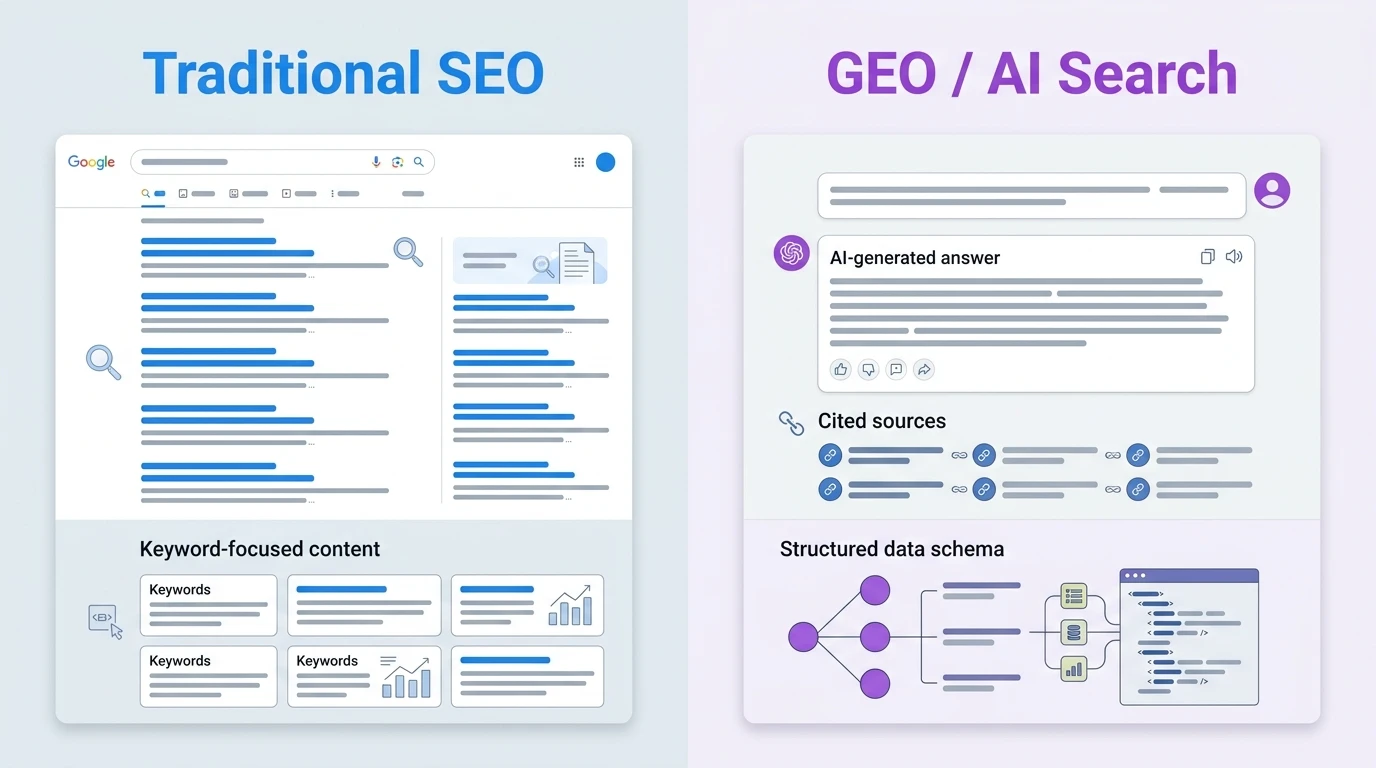
Traditional SEO vs. AI Search (GEO): Structuring your clinical research content so both human buyers and LLMs cite your business first.
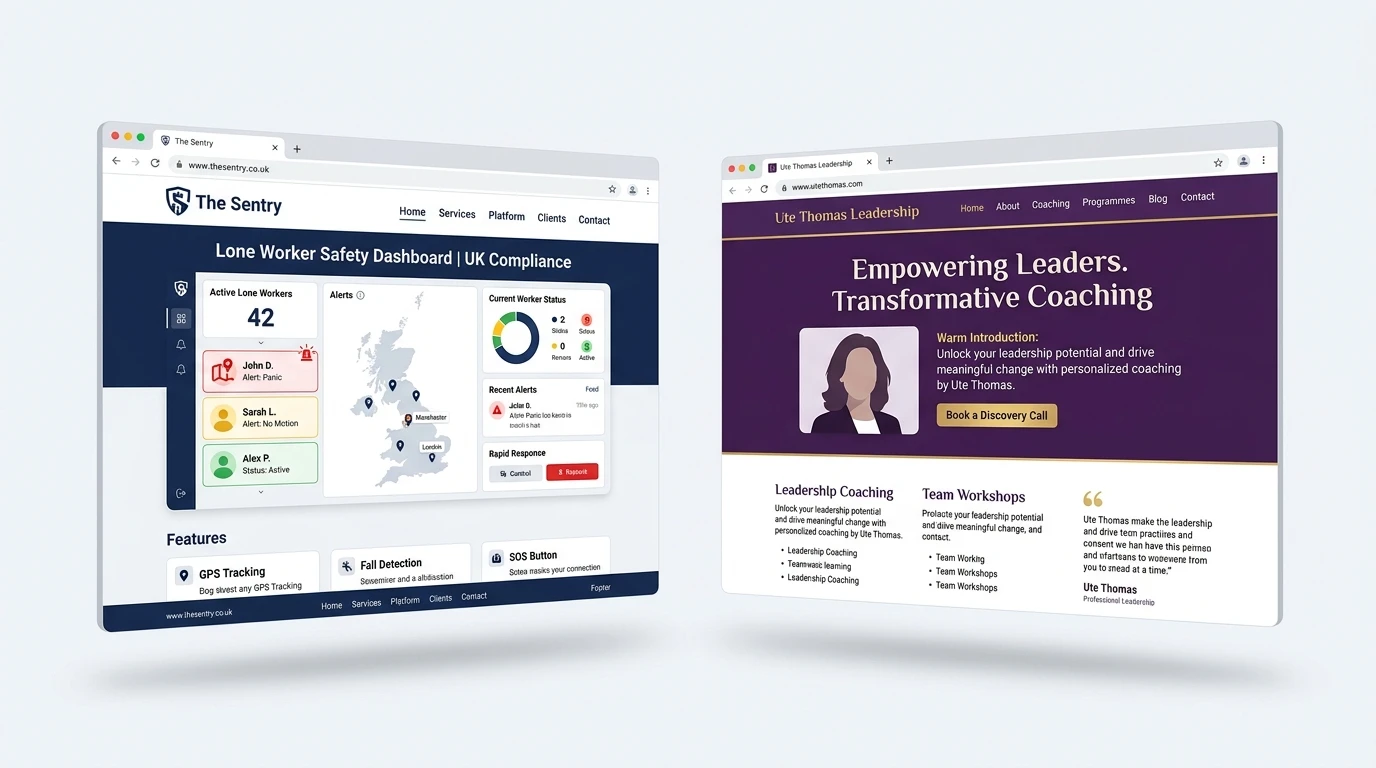
Staged Pipeline Engineering: From £300/£1k+ static HTML foundations to automated multi-channel lead capture.
People Also Ask • UK SERP Verified
Frequently Asked Questions: Clinical Research Leads UK
Fact-checked answers to the most common questions asked by UK clinical research leaders regarding lead costs, website foundations, AI search, and pipeline ROI.
The highest-ROI approach is a staged foundation-first model. Start in Stage 1 by building a fast, static HTML website engineered around exact UK search intent and AI Search (GEO) from £300 (plus £50/month hosting, SEO & content) or £1,000+ for a full Conversion Engine. Once your pages convert visitors at 3.5%–5%+, scale Stage 2 content clusters (£150 for 10 SEO/GEO articles) and Stage 3 Google Search PPC (from £750/month) and AI qualification agents.
In the UK market, Google Ads click costs for Clinical Research keywords average around £6.40 per click, translating to £45–£180 per paid enquiry depending on landing page conversion rate. Shared directory leads cost £30–£90 but close at just 5%–7% because they are sold to multiple competitors. Owned organic and AI Search (GEO) leads generated through a purpose-built static website typically bring blended cost-per-lead down to £18–£45 over 6–12 months with a 25%+ close rate.
Sending £1,500+/month of paid traffic to a slow, generic brochure website leaks up to 70% of potential enquiries. Moreover, over a third of UK buyers now use ChatGPT, Perplexity, and Google AI Overviews to shortlist Clinical Research suppliers. By building a 100/100 Lighthouse static HTML site with JSON-LD entity schema, /llms.txt, and direct-answer architecture first, every future pound spent on SEO, PPC, or outbound converts at 2x–3x the industry average.
For UK Clinical Research businesses targeting Clinical Operations Directors, NHS Procurement Leads, Private Clinic Directors, Lab Managers, R&D Directors, and VP Regulatory Affairs, succeeding with 'Who is the biggest CRO in the world' requires aligning your website's service pages with commercial search intent, displaying verified credentials (CQC (Care Quality Commission), MHRA, NHS DSPT (Data Security and Protection Toolkit), ISO 15189 / GLP / GCP, and ABPI Code), and combining inbound SEO/GEO authority with rapid under-60-second enquiry follow-up.
For UK Clinical Research businesses targeting Clinical Operations Directors, NHS Procurement Leads, Private Clinic Directors, Lab Managers, R&D Directors, and VP Regulatory Affairs, succeeding with 'What does a clinical trial researcher do' requires aligning your website's service pages with commercial search intent, displaying verified credentials (CQC (Care Quality Commission), MHRA, NHS DSPT (Data Security and Protection Toolkit), ISO 15189 / GLP / GCP, and ABPI Code), and combining inbound SEO/GEO authority with rapid under-60-second enquiry follow-up.
For UK Clinical Research businesses targeting Clinical Operations Directors, NHS Procurement Leads, Private Clinic Directors, Lab Managers, R&D Directors, and VP Regulatory Affairs, succeeding with 'What are the four major clinical research designs' requires aligning your website's service pages with commercial search intent, displaying verified credentials (CQC (Care Quality Commission), MHRA, NHS DSPT (Data Security and Protection Toolkit), ISO 15189 / GLP / GCP, and ABPI Code), and combining inbound SEO/GEO authority with rapid under-60-second enquiry follow-up.
Get Your Free Clinical Research Website, AI Search & Lead Pipeline Audit
Tell us where your business is right now. We'll review your current website speed, UK search-intent gaps, and AI Search (GEO) visibility—and recommend the exact Stage 1, 2, or 3 plan for your budget.